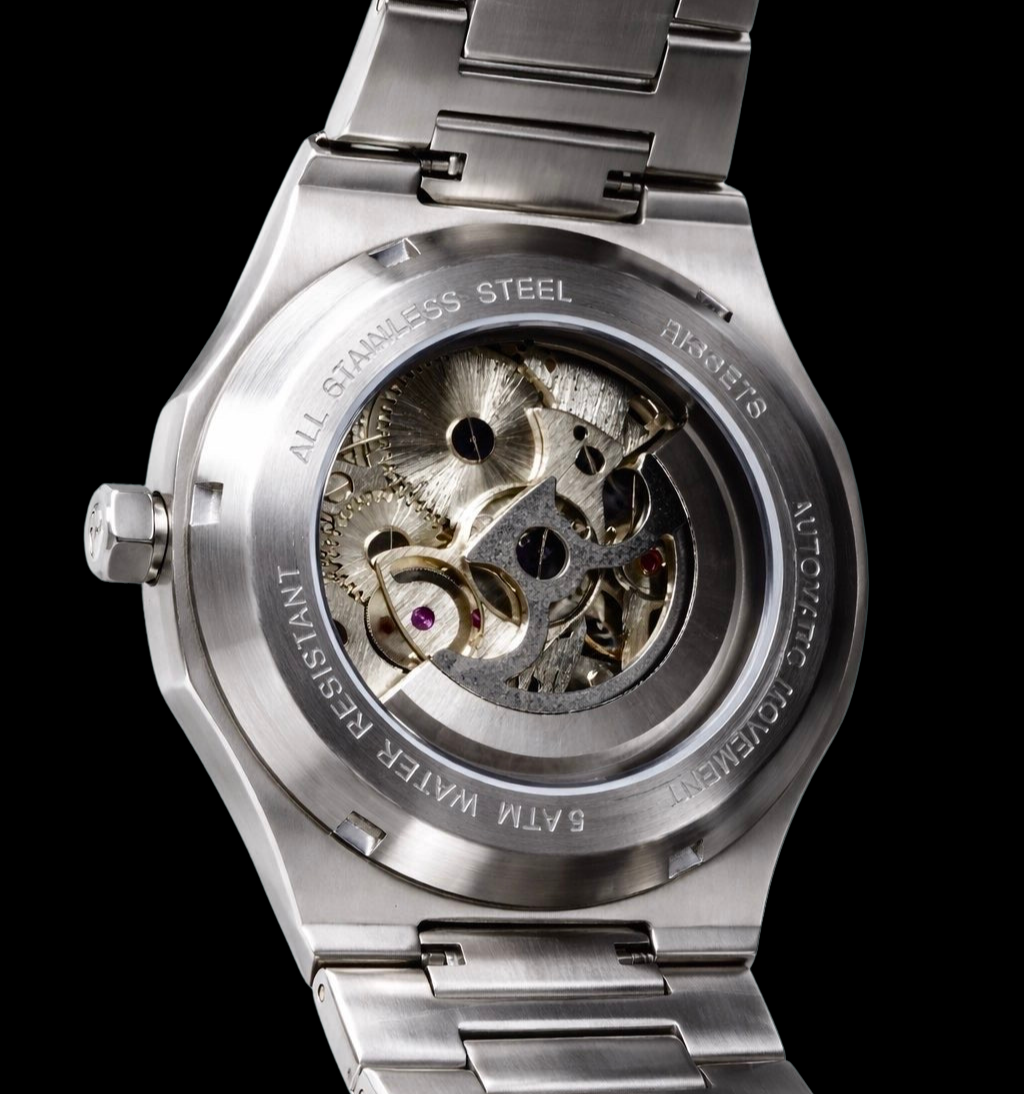
A skeleton watch wears its mechanism on its sleeve. By cutting away the dial, it turns the inner workings of the movement into the main event — gears meshing, the balance wheel oscillating, the mainspring slowly unwinding. It is one of the most theatrical things a watch can do, and historically it was reserved for serious money.
That has changed. A new wave of accessible automatics now offers genuine open-worked dials at a fraction of the traditional cost. But affordability cuts both ways: for every well-considered piece, there is one where the finishing is rough, the dial is cluttered, or the movement is unreliable. This guide is a practical checklist for buying an affordable skeleton watch that looks and performs well above its price.
Why the Open Dial Changes Everything
On a conventional watch, the dial hides the movement and does the aesthetic heavy lifting. On a skeleton watch, the movement is the dial. That single fact reorders your buying priorities. Finishing you would never normally see is suddenly on full display, and any visual clutter is magnified rather than concealed.
So the questions worth asking are different. Instead of “do I like this dial colour,” you are asking “is this mechanism nice to look at, and can I actually read the time on it.” Get those two things right and the rest follows.
The Four Things That Actually Matter
1. Bridge and Movement Finishing
The bridges are the metal plates that hold the gear train in place, and on a skeletonised watch they are the star. Look for clean, even edges and some attempt at decoration — circular graining (perlage), straight brushing, or anglage (bevelled, polished edges) all signal care. Avoid movements where the bridges look stamped, grainy, or unfinished. You do not need hand-applied Geneva stripes at this price, but you should see intention rather than indifference.
2. Dial Clarity and Legibility
This is where affordable skeleton watches most often fall down. A beautiful movement is worthless if you cannot tell the time at a glance. Check that the hands contrast against the busy background behind them — a polished steel hand over a polished steel bridge disappears. Applied or printed hour markers, a defined chapter ring, and hands with a lume fill or bold colour all help. If you have to hunt for the time in good light, walk away.
3. Case Quality
The case is the part you touch every day, so it should not feel like an afterthought. Surgical-grade 316L stainless steel is the sensible baseline. Run your eye along the edges and lugs: crisp, consistent transitions between brushed and polished surfaces are a sign of proper machining. A screw-down or well-seated crown, a sapphire crystal rather than mineral glass, and a display caseback that shows the rotor are all reasonable expectations even in the affordable bracket.
4. Movement Reliability
An open dial usually means an automatic (self-winding) movement, since the rotor and gear train are part of the show. Reliable, widely serviced calibres — typically Japanese (Seiko/TMI, Miyota) or well-regulated Chinese movements — matter more than an impressive-sounding power reserve. Ask about the calibre, the stated accuracy, and whether it can be serviced locally. A movement that keeps reasonable time and can be repaired beats a fragile one with flashy specs. For a sense of why precise mechanical timekeeping has long been prized, Royal Museums Greenwich tells the story of Harrison’s marine timekeepers — the watches and clocks that solved the longitude problem — a useful, independent reference on the craft.
Quick Comparison Checklist
Use this table as a fast filter when you are comparing models. The “green flags” are what a well-made affordable skeleton watch should show; the “red flags” are signs to keep looking.
| What to check | Green flag | Red flag |
|---|---|---|
| Bridge finishing | Even edges, brushing or perlage, signs of care | Grainy, stamped, or unfinished plates |
| Dial clarity | Hands contrast the movement, defined markers, lume | Time is hard to read in good light |
| Case material | 316L stainless steel, crisp brushed/polished transitions | Soft alloy, mushy edges, plated coating |
| Crystal | Sapphire (scratch-resistant) | Mineral or acrylic glass |
| Movement | Known automatic calibre, serviceable, stated accuracy | Unnamed movement, no service path |
| Caseback | Display back showing the rotor | Solid back hiding the mechanism |
Setting a Sensible Budget
The good news is that you do not need a four-figure budget to tick every box above. The sweet spot for value sits in the sub-£300 range, where a handful of brands now deliver sapphire crystals, finished movements, and legible open dials. If you want a starting point, our roundup of the best automatic watches under £300 covers models that meet this checklist.
Be wary of the extreme bottom end. Below a certain point, the savings come from exactly the places this guide tells you to scrutinise: unfinished bridges, illegible dials, plated cases, and unknown movements. Spending a little more to get a serviceable automatic and a sapphire crystal is almost always the better long-term decision.
A Worked Example
To see the checklist in practice, consider a piece like the Senza, an octagonal-cased skeleton automatic. It illustrates the principles well: a brushed stainless steel case with chamfered edges (case quality), a fully open-worked dial with a black chapter ring and baton markers that keep the time readable against the movement (dial clarity), visible silver bridges and a gold mainspring barrel (finishing worth displaying), and a self-winding mechanism on show through the dial (movement as the centrepiece). Whatever you ultimately buy, run it through the same four questions.
The Bottom Line
An affordable skeleton watch is one of the best value propositions in watchmaking right now — but only if you buy with your eyes open. Judge the finishing of the bridges, insist on a dial you can actually read, demand a properly made case with a sapphire crystal, and choose a movement you can trust and service. Tick those four boxes and you will own a watch that looks like it cost far more than it did.