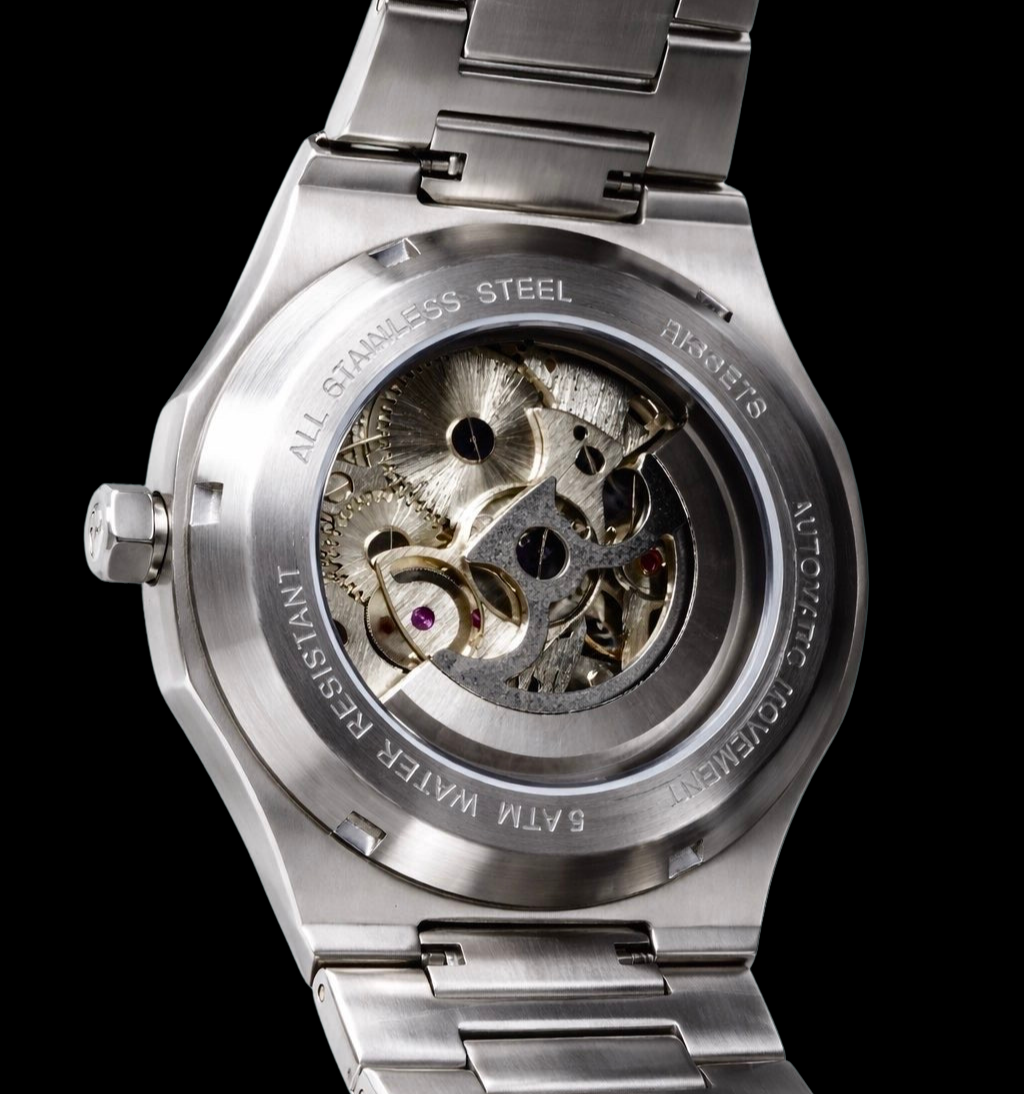
There’s a persistent myth that genuine watch craft begins somewhere north of a four-figure price tag. Spend an afternoon with the right sub-£300 pieces, though, and that assumption starts to wobble. The luxury tier doesn’t hold a monopoly on brushed steel, automatic movements or proportions that flatter the wrist — it simply does it with thicker margins and louder names. The interesting question isn’t whether luxury watches under 300 can look the part. It’s understanding exactly where the money goes, what you genuinely get for it, and which compromises are worth making.
What “luxury” actually signals on the wrist
Strip away the marketing and luxury reads through a handful of physical cues. Case finishing is the first: the interplay of brushed flanks against polished chamfers, sharp edges that catch light cleanly rather than melting into soft, over-rounded contours. Then there’s the movement — whether the watch is quartz, automatic or hand-wound, and how honestly it’s presented. Proportion does quiet but heavy lifting too: case diameter, lug-to-lug span and thickness need to sit in harmony, because a well-judged 38–40mm case reads as far more considered than an oversized slab.
None of these cues is inherently expensive to execute well. They’re expensive to execute consistently, at scale, with the finest tolerances. That distinction is the whole story of the affordable tier.
Where the sub-£300 tier genuinely delivers
Modern manufacturing has democratised a surprising amount. Sapphire crystals, once a premium flex, now appear regularly under £300. Reliable automatic calibres — Japanese Miyota and Seiko movements, certain Chinese sellitas — power dependable mechanical watches at this price with decades of proven service behind them. Skeletonised dials that reveal the movement, integrated bracelets and applied markers all show up in this bracket when a brand prioritises substance over its own logo.
For anyone exploring affordable luxury watches for men, the sweet spot is a maker that spends on the parts you actually touch and see — case, crystal, bracelet, dial — rather than on advertising. Time itself is a precisely defined physical quantity maintained by institutions like the UK’s National Physical Laboratory, and the truth is that a well-regulated affordable automatic keeps perfectly respectable time for everyday wear; chronometer-grade accuracy is a refinement, not a requirement.
Where the compromises live
Honesty matters here, so it’s worth being clear about what you trade away.
| Attribute | Luxury (£1,000+) | Sub-£300 tier | Real-world impact |
|---|---|---|---|
| Movement finishing | Hand-decorated, in-house | Functional, machine-finished | Largely invisible on the wrist |
| Accuracy | Often chronometer-certified | Typically ±10–25 sec/day | A few seconds’ drift weekly |
| Case finishing | Hand-polished chamfers | Machine-finished, well-executed | Edges slightly softer up close |
| Water resistance | Often 100m+ | Commonly 30–50m | Fine for daily wear, not diving |
| Bracelet | Solid links, micro-adjust clasp | Solid links, simpler clasp | Comfortable, less refined adjustment |
| Brand heritage | Decades to centuries | Newer, value-led | Resale and prestige differ |
The pattern is clear: most compromises sit in areas you rarely see or feel day to day — movement decoration, marginal accuracy gains, clasp sophistication. The cues that register — proportion, case finish, dial execution, sapphire — are largely preserved.
How to buy well in this bracket
Lead with the dial and case, because those are what you’ll look at every day. Favour an automatic or a quartz with an honest, clean dial over a watch straining to look more expensive than it is through busy detailing. Check the lug-to-lug measurement against your wrist rather than fixating on diameter alone. And treat sapphire crystal as a near-essential — it’s the single upgrade that most affects how a watch ages.
If a mechanical heart matters to you, the best automatic watches under 300 tend to pair a proven Japanese movement with a genuinely well-finished case, which is exactly the combination that punches above its price. You can explore the full range and the thinking behind it at Bissets Watches.
The verdict
Luxury under £300 isn’t a contradiction — it’s a question of where craft is allocated. The tier can’t hand you centuries of heritage or a hand-decorated movement, and it shouldn’t pretend to. What it can deliver is the tactile, visual experience of a considered watch: clean finishing, a dependable movement, proportions that work. For most people, most of the time, that’s not a downgrade. It’s simply value meeting craft at a sensible price.