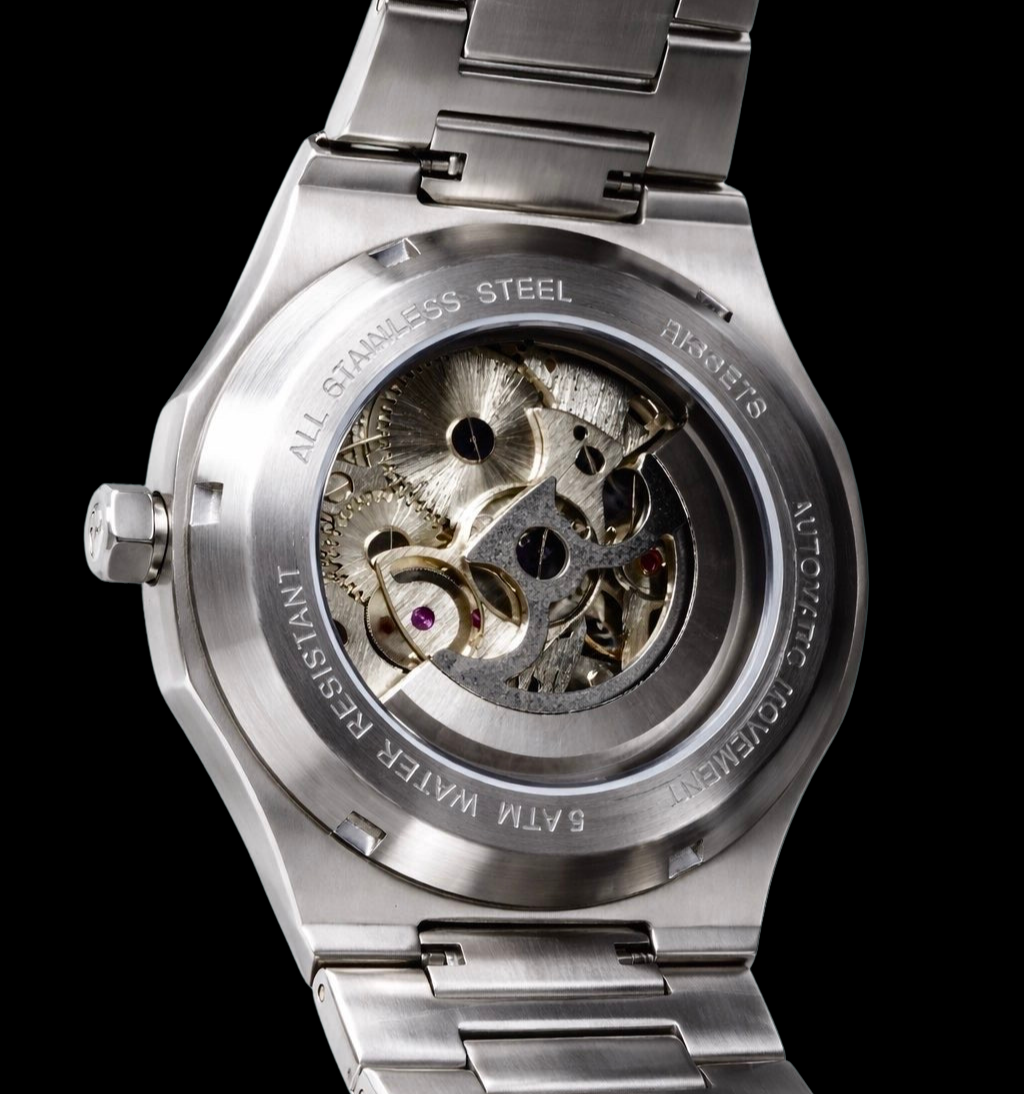
Few watch designs divide opinion quite like the skeleton. To some collectors, an open-dial watch is the purest expression of mechanical artistry — a piece that wears its engineering on the outside. To others, it is style over substance, trading legibility and toughness for the privilege of watching gears turn. After years of living with open-worked pieces, my verdict is more nuanced than either camp would like. Skeleton watches are very good — but only for the right person, and only when done well.
What a skeleton watch actually is
A skeleton watch is one where the dial, and often the movement plates and bridges, have been cut away or removed entirely to reveal the mechanism beneath. At its best, the result is a three-dimensional window into the mainspring barrel, escapement, and rotating balance wheel. The discipline behind this goes back centuries. The precision engineering it demands shares a lineage with the story explored by Royal Museums Greenwich on John Harrison’s marine timekeepers — a reminder that hand-finishing a movement was historically a test of a maker’s patience as much as their skill, with every component pared back without weakening the structure.
The modern interpretation ranges from fully skeleton watches with almost no solid dial surface, to partially open dials that frame the movement through a single aperture. The more open the design, the more dramatic the effect — and the more the trade-offs start to bite.
The case for skeleton watches
The strongest argument is appreciation. A solid dial hides the very thing you paid for. With an open dial, the automatic movement is on permanent display: the oscillating weight sweeping with your wrist, the gear train meshing, the balance beating. For anyone who buys mechanical watches because they are mechanical, this is the entire point.
The second argument is presence. A well-executed skeleton design — particularly something like an octagonal skeleton watch with chamfered edges and an integrated bracelet — reads as far more expensive and considered than its price suggests. The visual complexity does a lot of heavy lifting.
The third is character. Solid-dial watches are easy to admire and easy to forget. A skeleton is a conversation piece. It rewards a second look, and it tends to be the watch people ask about.
The case against
Honesty demands the downsides get equal billing.
Legibility is the obvious one. Hands and markers sit against a busy, moving background rather than a clean dial. Good skeletons mitigate this with a contrasting chapter ring, lumed batons, and bold hands — but a poorly contrasted open dial can be genuinely hard to read at a glance.
Perceived durability is the second. An open dial looks more delicate, and cheaper skeletons sometimes are. Crucially, this is more perception than reality on well-built pieces: skeletonising the dial does not weaken a properly cased and gasketed watch. But the impression persists, and it affects how people treat the watch.
Resale is the most pragmatic concern. Skeleton designs are polarising, which narrows the second-hand buyer pool compared with a classic three-hander. Strong-brand skeletons hold value well; generic ones can soften.
Skeleton vs solid dial at a glance
| Factor | Skeleton / open-dial | Solid dial |
|---|---|---|
| Movement appreciation | Excellent — visible at all times | None — fully hidden |
| Legibility | Good to fair, design-dependent | Consistently strong |
| Visual presence | High; distinctive | Moderate; classic |
| Perceived fragility | Higher (perception, not fact) | Lower |
| Resale breadth | Narrower buyer pool | Broadest demand |
| Best suited to | Enthusiasts, statement wearers | Everyday all-rounders |
So, are they good — and who for?
Skeleton watches are good if you value mechanical artistry and presence over outright practicality, and if you choose a well-engineered example rather than a cheap imitation of the look. They are a second or third watch for most people rather than a do-everything daily — though a legible, well-built open-dial piece can absolutely earn rotation time.
If you want a watch that disappears into the background, buy a solid dial. If you want one that earns a daily second glance and reminds you, every time, that there is a tiny machine on your wrist, a skeleton like The Senza is exactly the point. Bought with eyes open to the trade-offs, the answer is a confident yes.